Ask around Queenstown about the Alpine Fault and you will get a wide range of answers, from a shrug to a very detailed one. It is worth understanding, because it is the single geological fact that shapes how this part of the country thinks about resilience.
⚠️ This page explains what the Alpine Fault and AF8 are, and what they mean for a district like ours. It is not emergency advice. For what to do before, during and after an earthquake, use Get Ready and Emergency Management Otago — they own that guidance and keep it current.
What the Alpine Fault is
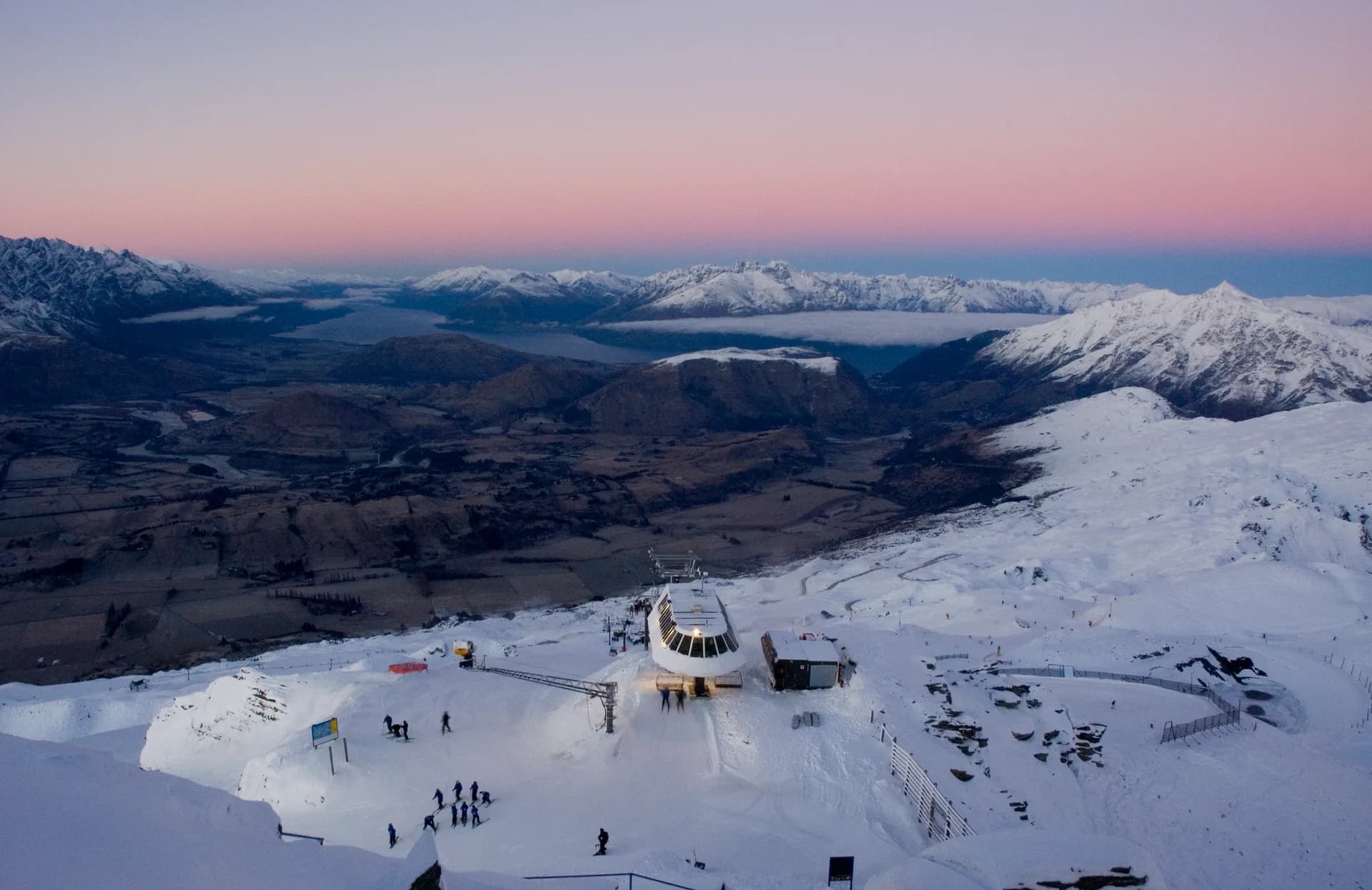
The Alpine Fault is the boundary between two tectonic plates, running most of the length of the South Island along the western side of the Southern Alps. It is the reason the Southern Alps exist: the two plates grind past and into each other, and the mountains are what that collision pushes up.
It is one of the most studied faults in the world, partly because its history is unusually legible — the geological record of its past large earthquakes is well preserved, which is why scientists can say a great deal about it. GNS Science publishes the current research, and it is the place to go for the numbers rather than anything you read second-hand.
What AF8 is
AF8 stands for Alpine Fault Magnitude 8. It is a South Island-wide civil defence programme built around a simple idea: a large Alpine Fault earthquake would affect the entire South Island at once, so the response has to be planned across the whole island rather than council by council.It is important to be clear about what that is and is not. AF8 is a preparedness and response-planning programme, not a prediction. Nobody is forecasting a date. The work is about what the response would look like — who does what, where resources come from, how communities that lose their road links get supported — so that the plan exists before it is needed rather than being invented during.
Why it matters differently here
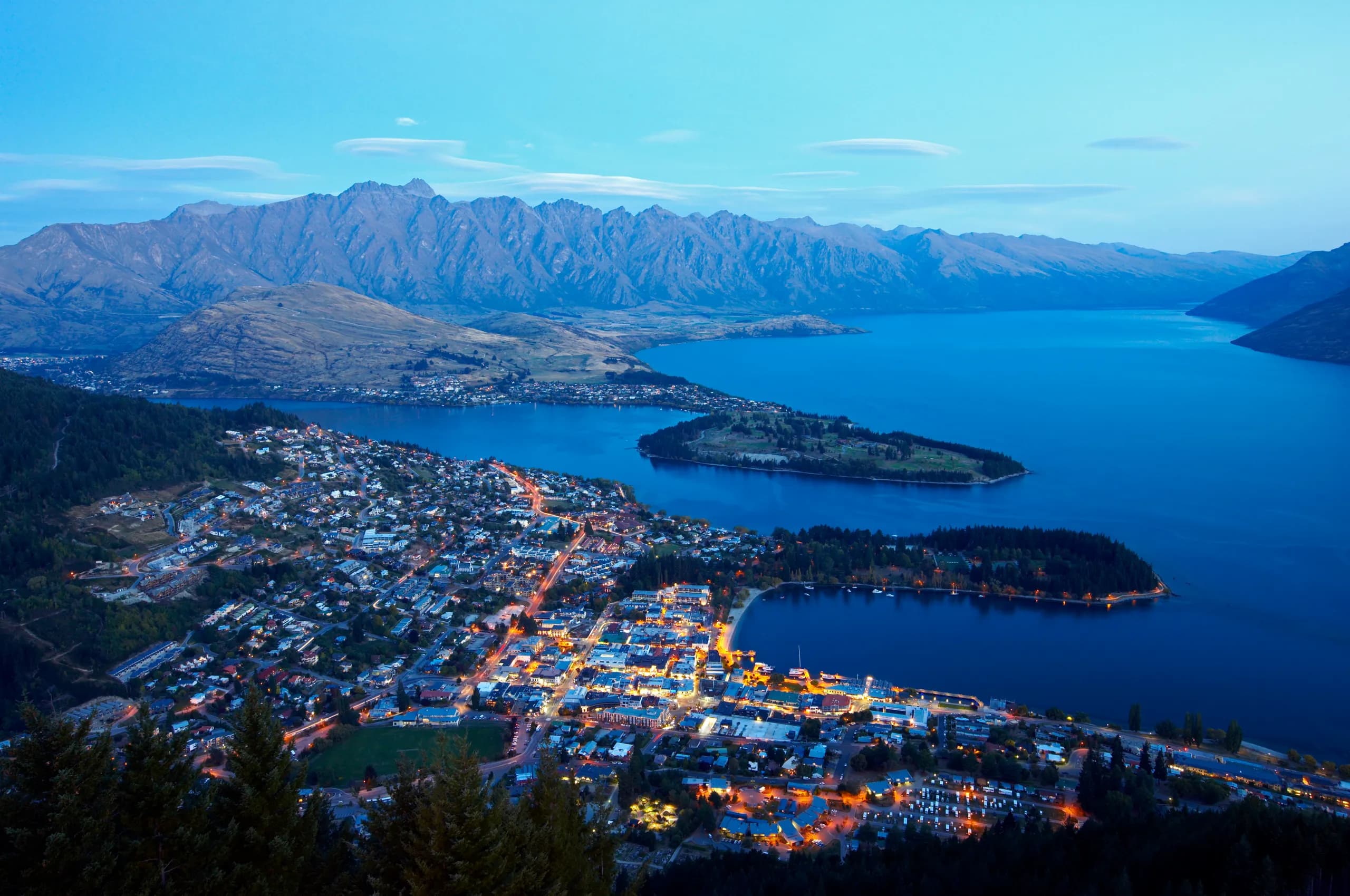
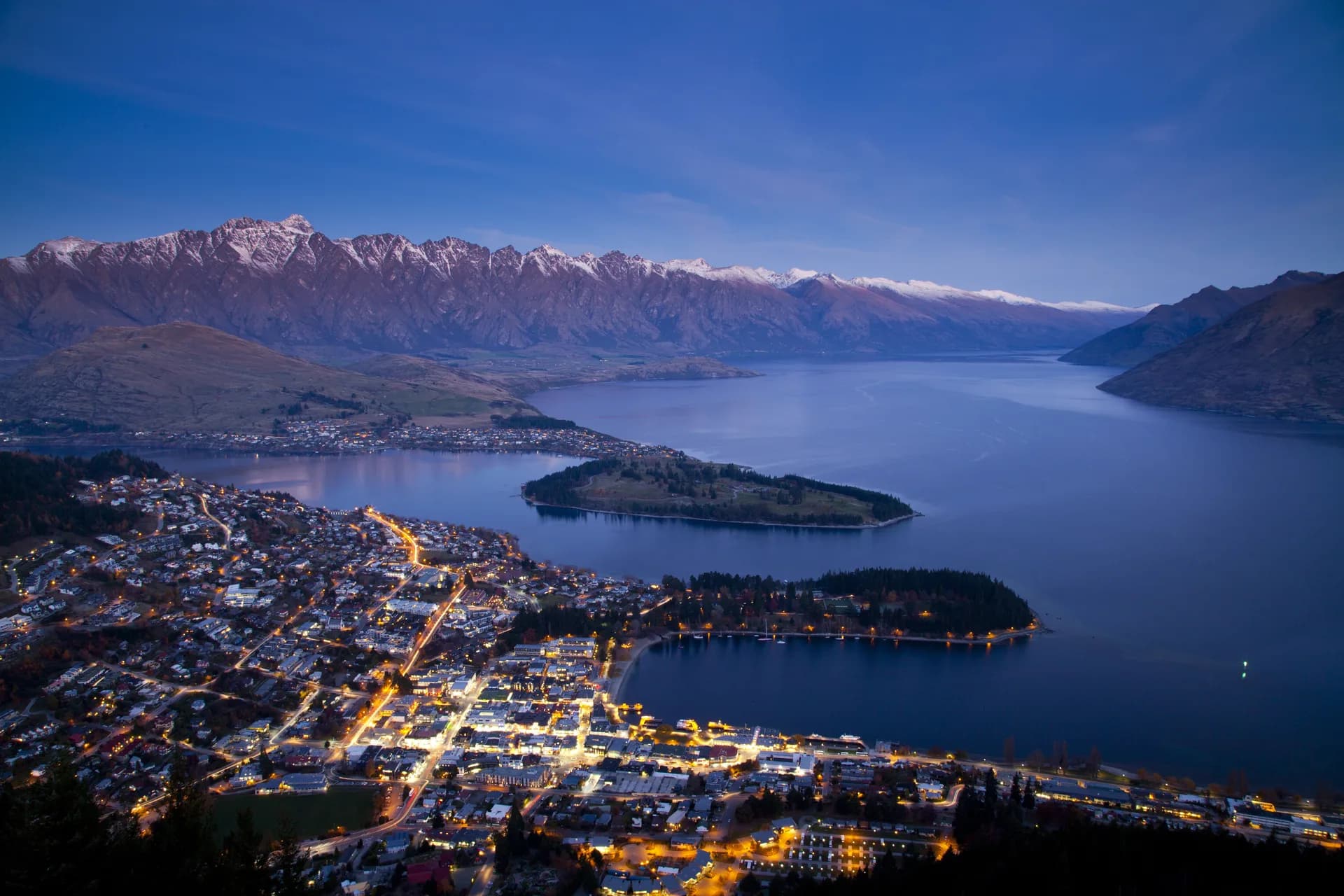
Queenstown is inland from the fault, on the eastern side of the ranges. That geography shapes the local picture in a way worth understanding:
- The road links are few and mountainous. Getting in and out of the Wakatipu basin means State Highway 6 in either direction, the Crown Range, or the long way round. In steep country, a large earthquake means landslides, and landslides mean closures. In most parts of New Zealand a closed road is a detour; here it can be the only route.
- The same is true of the places people visit from here. The road to Milford Sound and the West Coast highways run through terrain where slips are a normal-weather event, let alone an earthquake one.
- A lot of people here are visitors. On any given day a large share of the population is not from here, does not know the geography, and has no local network. That is a real planning difference from a town of the same size elsewhere.
None of that is cause for alarm — it is the reason the planning exists, and the reason local emergency management takes it seriously.
What to actually do about it
The honest answer is that household preparedness in Queenstown is the same as household preparedness anywhere in New Zealand, and the official guidance is good. Rather than paraphrase it here, where it would go out of date:
- Get Ready — the national Civil Defence site, covering what to store, how to make a plan, and what to do in the moment.
- Emergency Management Otago — the regional group, for local alerts, welfare arrangements and what is planned for this district specifically.
- GNS Science — for the geology and the current research on the fault.
- The AF8 programme — for how the South Island response is being planned.
If you live here, the single most useful thing is knowing your own household's plan and having enough water. If you are visiting, know that the Emergency Mobile Alert system will reach your phone without you doing anything, and that your accommodation will have instructions.
Why this page exists
Two people asked our AI host about AF8 on the same afternoon and it had nothing useful to tell them. That is a fair test of whether a site claims to know a place: the Alpine Fault is not obscure here, and a Queenstown site that cannot explain it is not much of a Queenstown site. So this is the answer, with the sources that own the detail.